Essays
Organized along three layers — what sleep is, what it depends on, what to do about it. Every claim has a citation. Read the primary source whenever you want to check.
-

When was the last time you woke up naturally?
Waking up on your own translates into three physiological signals: the cortisol awakening response, the 90-minute NREM/REM cycle, and the body-temperature curve. Modern life cuts most of them in half.
-
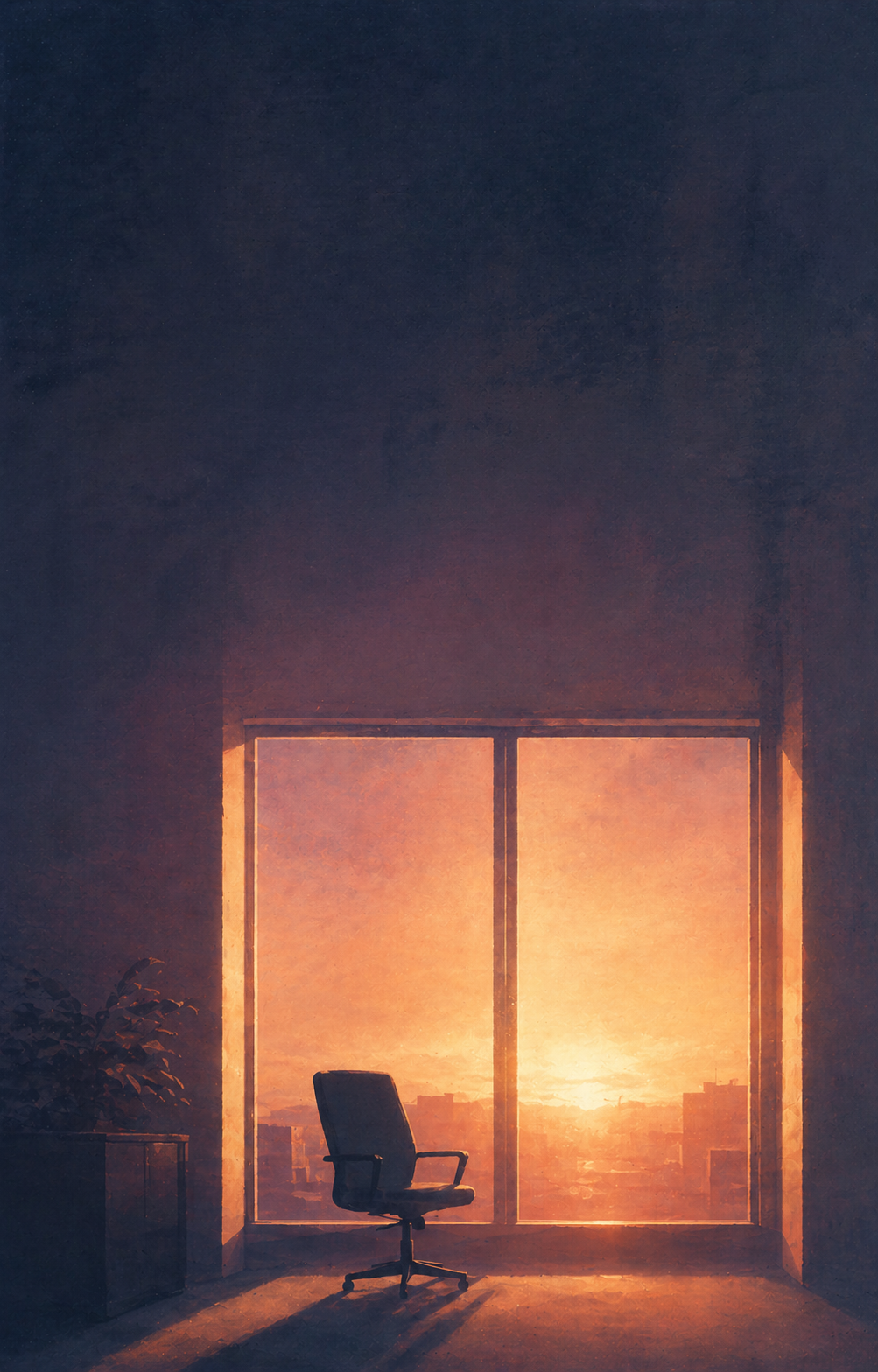
Why a full day at the office wrecks your night
Daytime light intensity decides nighttime deep sleep. 200 lux indoors versus 100,000 lux outdoors on a sunny day — that 500× gap is stealing your delta waves.
-
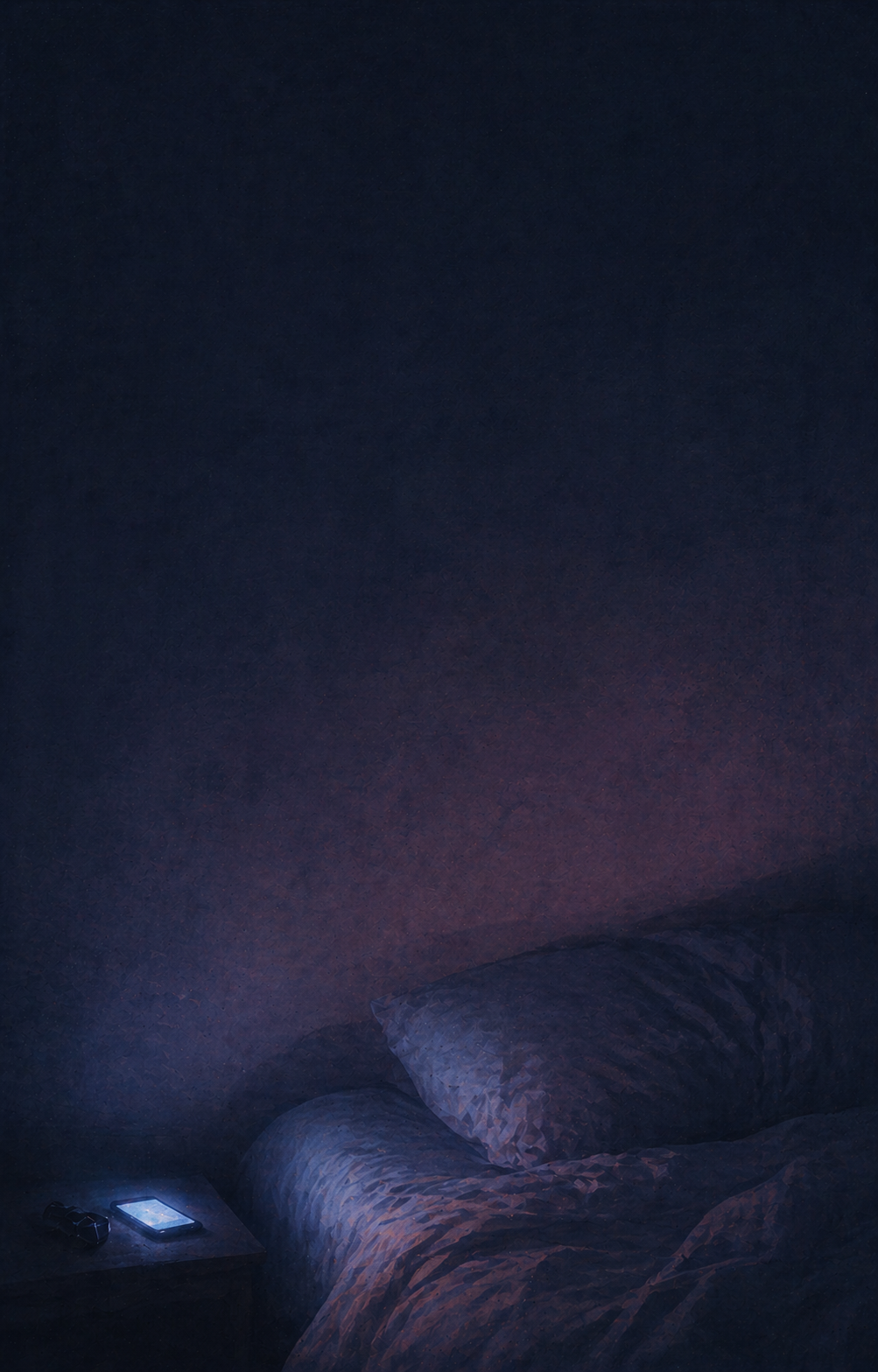
3.8% vs 0% — your sleep app may be making your insomnia worse
The hard numbers behind orthosomnia (sleep-tracking anxiety): why measuring your sleep can make it harder to actually have it.
-
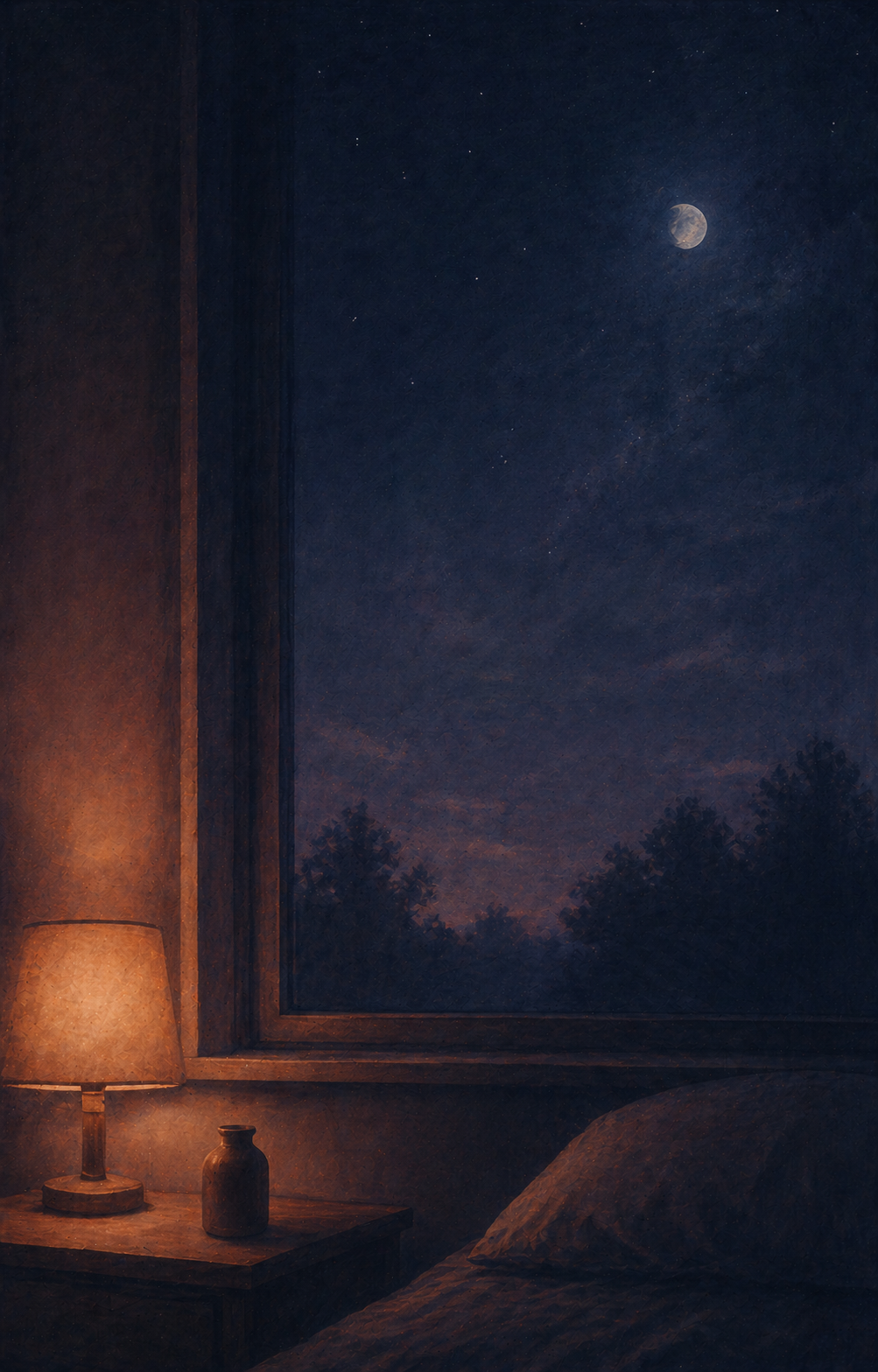
You may be taking 10× too much melatonin
A 2024 meta-analysis of 26 trials puts melatonin's actual effect at 7 minutes shorter sleep latency and 8 minutes more total sleep. Common over-the-counter doses are 17–33× higher than what produces that effect.
-

Insomnia has four phases — and 90% of advice only addresses one
Spielman's 3P model: predisposition, precipitating event, and perpetuating habits — with acute, sub-chronic, and chronic phases that look and respond very differently.
-

White noise, pink noise, nature sounds — your brain treats them as different things
fMRI work shows nature sounds activate the parasympathetic nervous system; artificial noise activates the sympathetic. They are not the same kind of input.
Want to read new essays as they publish? Subscribe via RSS — no email, no tracking, no spam.